
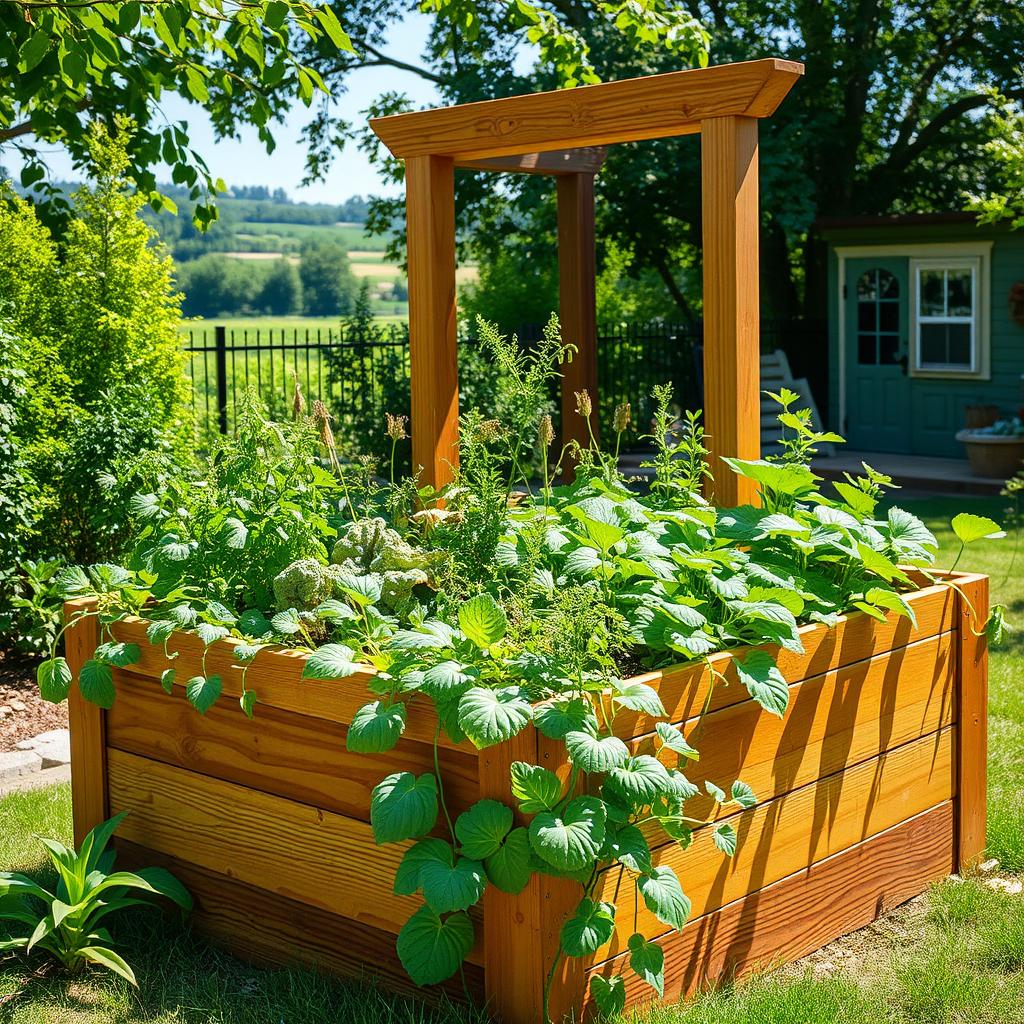

Are you ready to transform your backyard into a thriving garden oasis? Building your own raised garden beds is a fun, rewarding, and surprisingly simple project—even if you’re a beginner. Whether you’re growing veggies, herbs, or flowers, raised garden beds offer better soil control, improved drainage, and fewer weeds. Plus, they’re easier on your back! In this guide, I’ll walk you through everything you need to know to build your own raised garden beds, step by step.
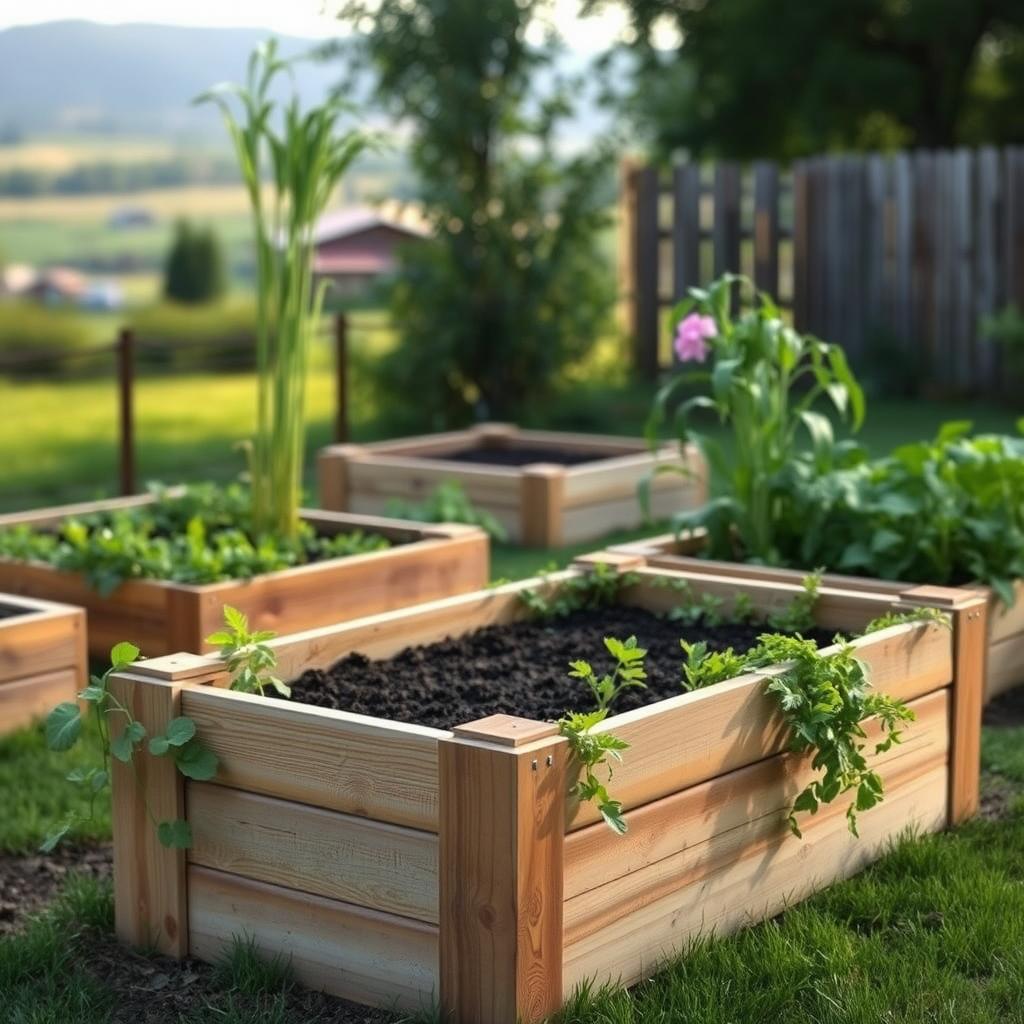 By planning well, you can create a garden that meets your needs. Think about crop rotation, soil mix, and how plants grow. With good planning, your garden will thrive. Enjoy a fruitful harvest from your raised garden beds.
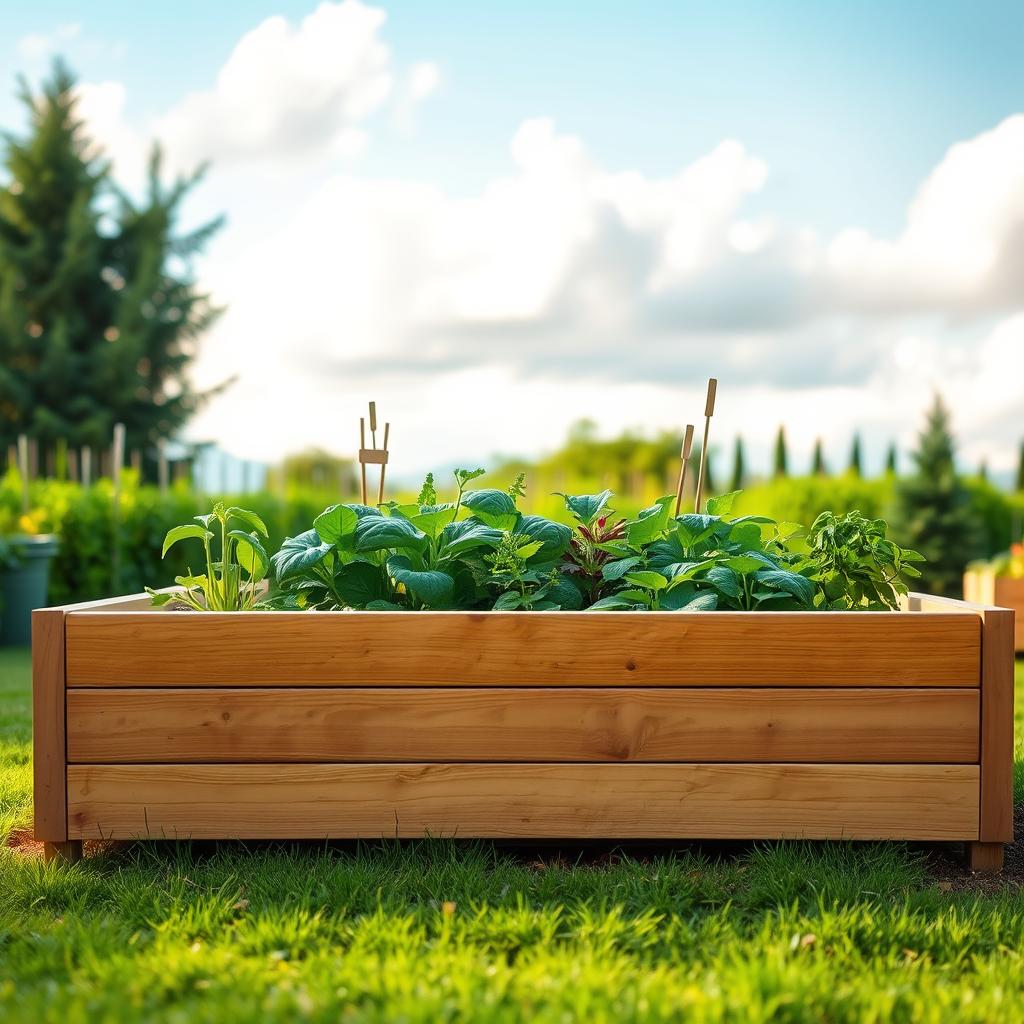 After building the frame, add support and drainage. Mulch helps keep moisture in and improves drainage. A how to build raised garden beds guide will help you tailor your garden to your plants and climate.
Important things to remember when building raised garden beds include:
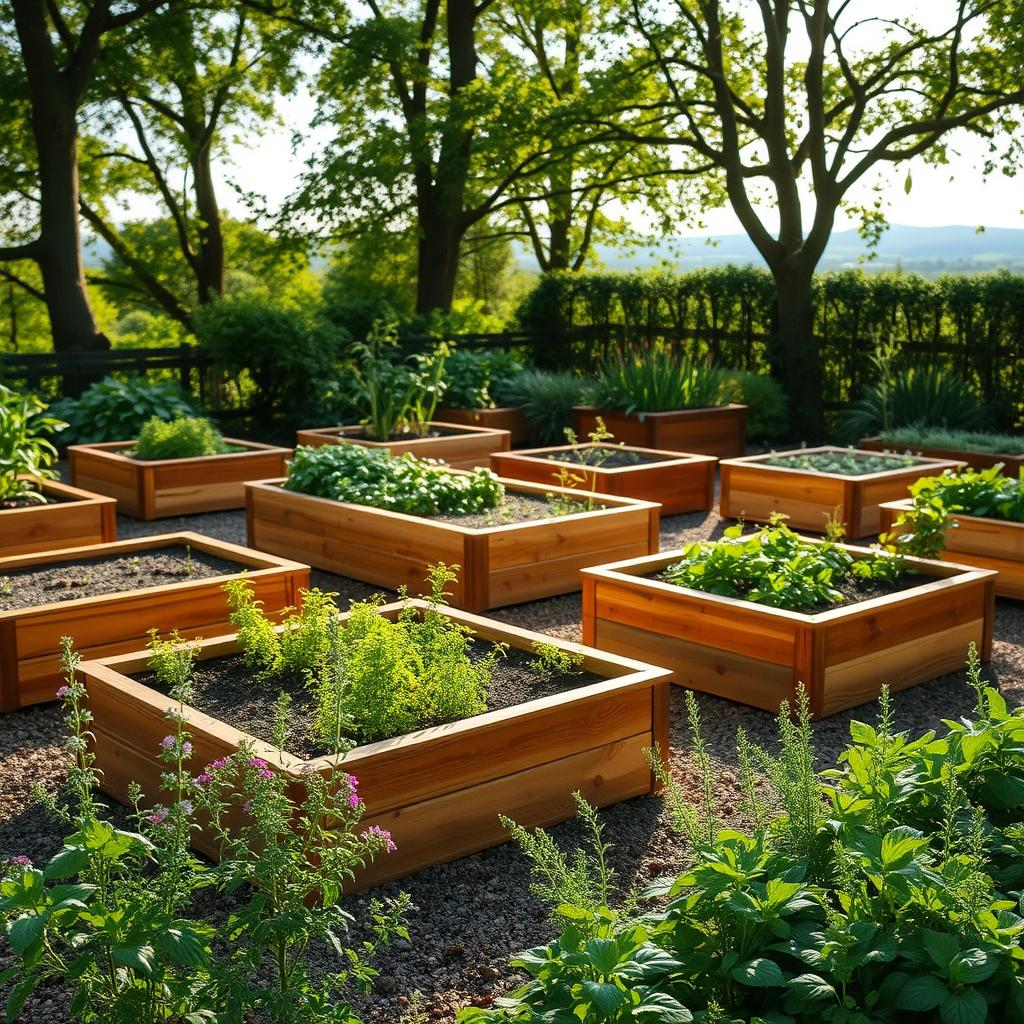 Design ideas include using trellises for tall plants and adding landscape fabric to fight weeds. High-quality soil and compost are also key. These features help make your garden grow well and look great. Customizing your garden beds is a great step for any gardener.
Customizing your garden beds has many benefits. It improves soil drainage and makes gardening easier. You can also add things like irrigation systems and pest control. With some creativity, your garden can become a lush oasis that gives you joy and fresh food all year.
Why Build Raised Garden Beds?
Raised garden beds are a game-changer for gardeners of all skill levels. Here’s why:- Better Soil Control: You can fill them with high-quality soil, perfect for growing healthy plants.
- Fewer Weeds: Elevated beds mean fewer weeds sneaking into your garden.
- Improved Drainage: Raised beds prevent waterlogging, which is great for plant roots.
- Easier Access: No more bending over! Raised beds are kinder to your back and knees.
Essential Materials and Tools for Building Raised Garden Beds
Building raised garden beds requires the right materials and tools. As a beginner, you might wonder about the best wood and tools. You also want your bed to last long. For raised bed gardening ideas, cedar or redwood are good choices because they resist rot and insects. You'll need lumber, deck screws, and hardware cloth to start. You can also use homemade garden beds kits. These kits have pre-cut wood, screws, and landscape fabric. For something different, try using old washbasins or furniture for your raised planter box plans. Here are some key tools and materials to think about:- Lumber (e.g., cedar, redwood, or pine)
- Deck screws
- Hardware cloth (for gopher-proofing)
- Landscape fabric (for weed control)
- Soil and compost (for filling your raised bed)
Planning Your DIY Raised Garden Beds Project
Planning is key when building raised garden boxes. Think about sunlight, drainage, and how easy it is to get to. Most veggies need at least 6 hours of direct sunlight a day. Pick a spot that gets enough sun. Also, make sure your garden is close to a water source. This makes watering easier. Think about the space you have for your garden. Consider the size and shape of your garden and the paths between beds. Leave at least 3 feet between beds for a wheelbarrow. Make sure your raised beds are at least 10 inches high for good soil depth. Here are some key factors to consider when planning your diy vegetable garden beds project:- Soil quality and composition
- Drainage and irrigation
- Accessibility and path width
- Sunlight and shade
- Space and layout
By planning well, you can create a garden that meets your needs. Think about crop rotation, soil mix, and how plants grow. With good planning, your garden will thrive. Enjoy a fruitful harvest from your raised garden beds.
Step-by-Step Construction Process for Raised Garden Beds
Building diy raised garden beds starts with a solid plan. First, clear your garden site of debris and level the ground. This makes a strong base for your raised bed. A raised garden bed tutorial highlights the frame's importance. Use strong materials like pressure-treated softwood or untreated wood. This ensures your frame is sturdy. Raised beds should be less than 1.5m (5ft) wide for easy access.
After building the frame, add support and drainage. Mulch helps keep moisture in and improves drainage. A how to build raised garden beds guide will help you tailor your garden to your plants and climate.
Important things to remember when building raised garden beds include:
- Choose the right soil for your plants
- Ensure good drainage to avoid waterlogging
- Add support to the frame to prevent bowing
Customizing Your Raised Garden Beds
Exploring raised bed gardening, I found that making your garden beds unique is crucial. With raised bed gardening ideas and homemade garden beds, you can do almost anything. Changing the height and size of your garden beds is a big part of customization. When looking at raised planter box plans, the depth and width matter a lot. Most veggies need 4 hours of sunlight daily. Raised beds should be 6 to 12 inches deep. This way, you can make a space that fits your needs and style perfectly.
Design ideas include using trellises for tall plants and adding landscape fabric to fight weeds. High-quality soil and compost are also key. These features help make your garden grow well and look great. Customizing your garden beds is a great step for any gardener.
Customizing your garden beds has many benefits. It improves soil drainage and makes gardening easier. You can also add things like irrigation systems and pest control. With some creativity, your garden can become a lush oasis that gives you joy and fresh food all year.
Getting the Most From Your New Garden Space
Now that you've built your DIY raised garden beds, it's time to get the most out of your new growing space. Use the right soil, provide enough sunlight and water, and keep the beds maintained. This way, you can enjoy a bountiful harvest from your diy vegetable garden beds. Start by filling your raised beds with a nutrient-rich soil blend. Add compost or aged manure to improve soil fertility. Make sure your beds get at least 6-8 hours of direct sunlight daily. Also, set up an efficient irrigation system to keep the soil moist but not waterlogged. Regular maintenance is key. Weed, mulch, and prune your plants to help them thrive. Rotate your crops each season to prevent disease and pest buildup. Consider companion planting to enhance your garden's natural defenses. With a little care and attention, your raised garden bed tutorial will reward you with a bountiful harvest.FAQ
What are the benefits of building DIY raised garden beds?
DIY raised garden beds improve soil quality and drainage. They also make gardening easier and extend growing seasons. Building your own beds lets you tailor your garden to your needs.
What materials do I need to build raised garden beds?
You'll need weather-resistant wood like cedar or redwood, screws or nails, and a strong base. Optional materials include weed barrier fabric and decorative edging for a better look and function.
How do I plan and prepare for my DIY raised garden bed project?
Think about sunlight, drainage, and access when planning. Design a layout that fits your space and gardening needs. Good planning makes the building process enjoyable and successful.
What are the steps involved in constructing raised garden beds?
Start by preparing the garden site. Then, build the frame, add support and drainage, and fill it with quality soil. A step-by-step guide helps you build a strong, useful raised bed.
How can I customize my raised garden beds to fit my needs?
You can change the height and size of your beds. Add features like trellises or cold frames. Personalize your beds to meet your gardening goals and style.
What tips can I follow to get the most from my new raised garden beds?
Use the right soil and ensure enough sunlight and water. Regular maintenance is key. Follow best practices for a fruitful harvest and a lovely garden.