
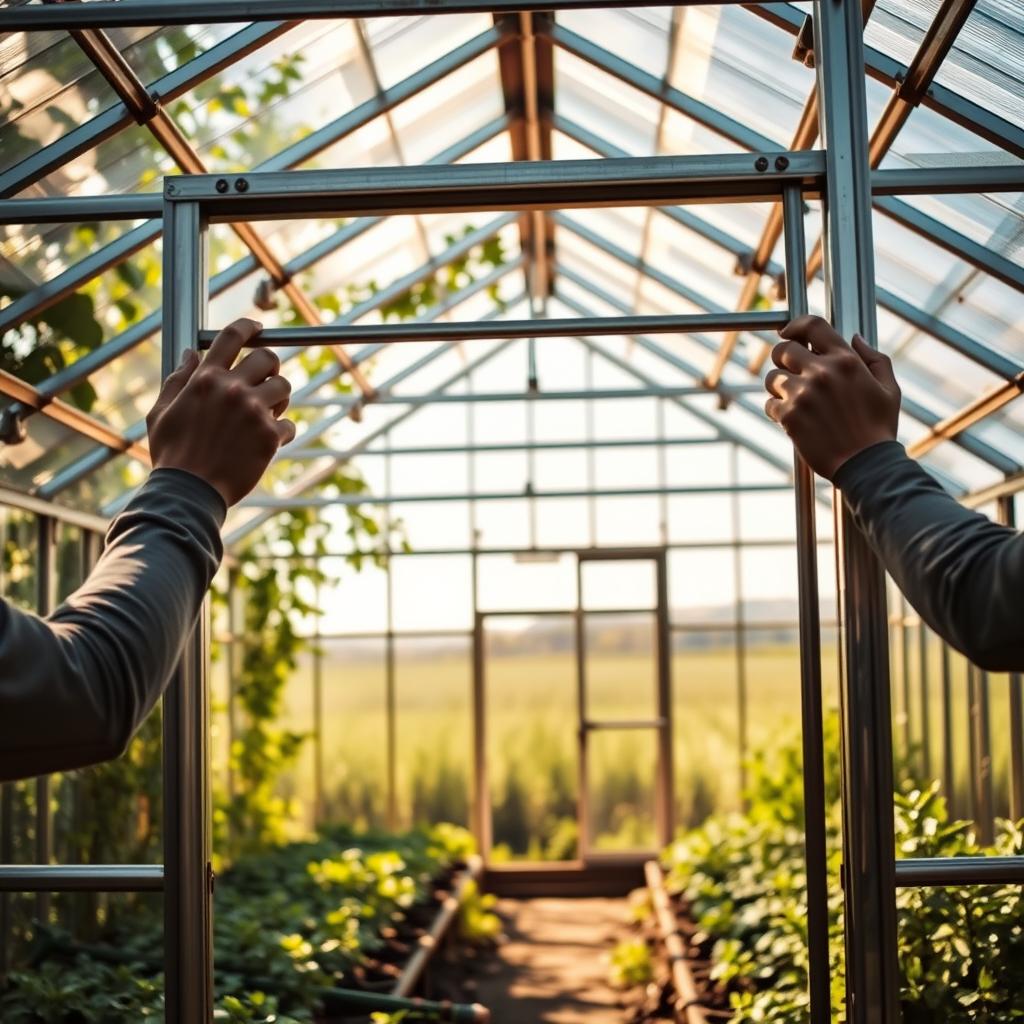

I'm excited to share my experience on building a greenhouse for under $500. It's a rewarding DIY project that's easy on the wallet. You'll need some planning and the right materials. I used wood, PVC pipes, and greenhouse film to build mine.
Having a clear plan and budget is key when building a greenhouse. I kept costs down with materials like 1/2" PVC Pipe and Visquene. It took me only 1-2 hours to build a small cold frame greenhouse. The plastic sheeting I used is durable for over a year.
In this guide, I'll walk you through building a greenhouse step by step. You'll learn about the materials and tools you need. This guide is perfect for DIY enthusiasts and beginners alike. It's a great resource for anyone wanting to build their own greenhouse.
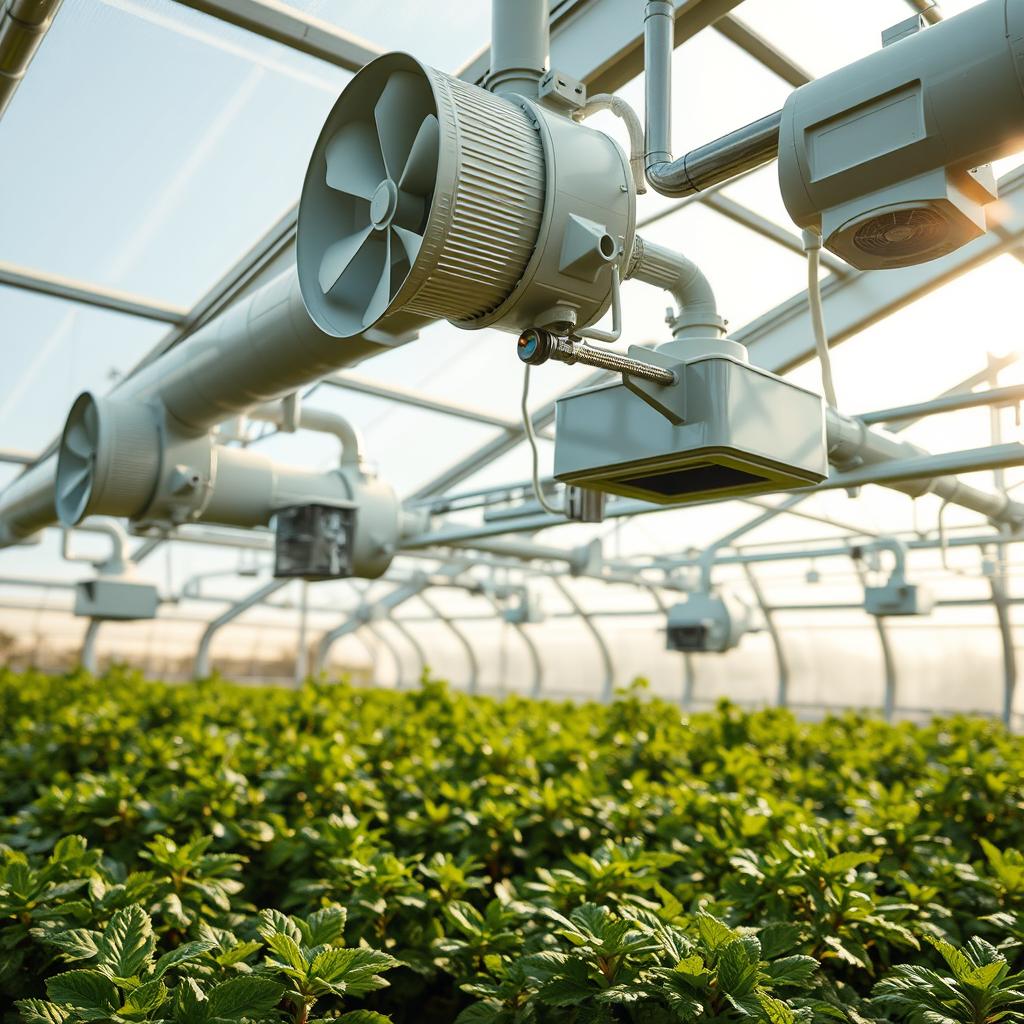 Ventilation does more than just control temperature. It also improves air flow, manages humidity, and replaces carbon dioxide and oxygen. A good ventilation system helps plants breathe better. By picking the right system and greenhouse materials, you can make a perfect space for your plants.
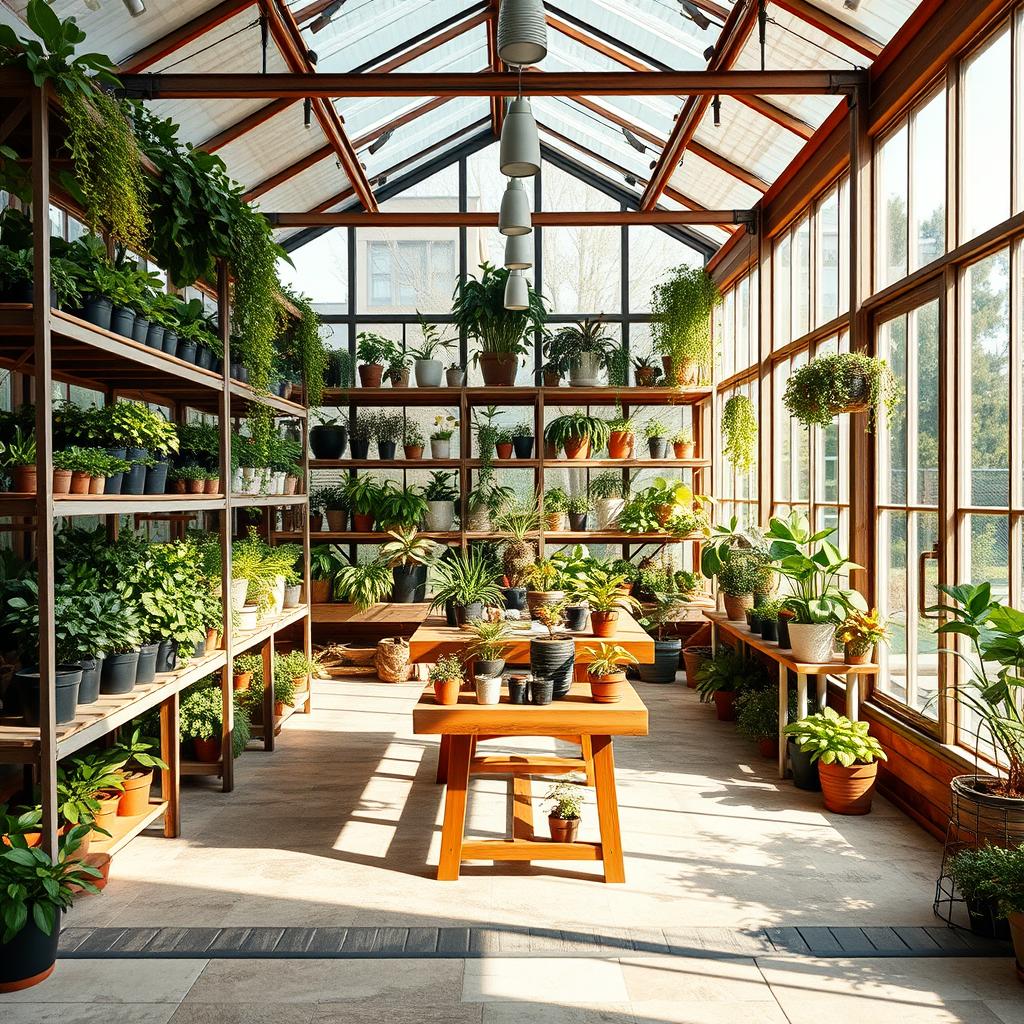 By adding these features, I made a greenhouse that works well. It controls humidity, moves air, and drains water properly. Now, it supports a variety of plants well.
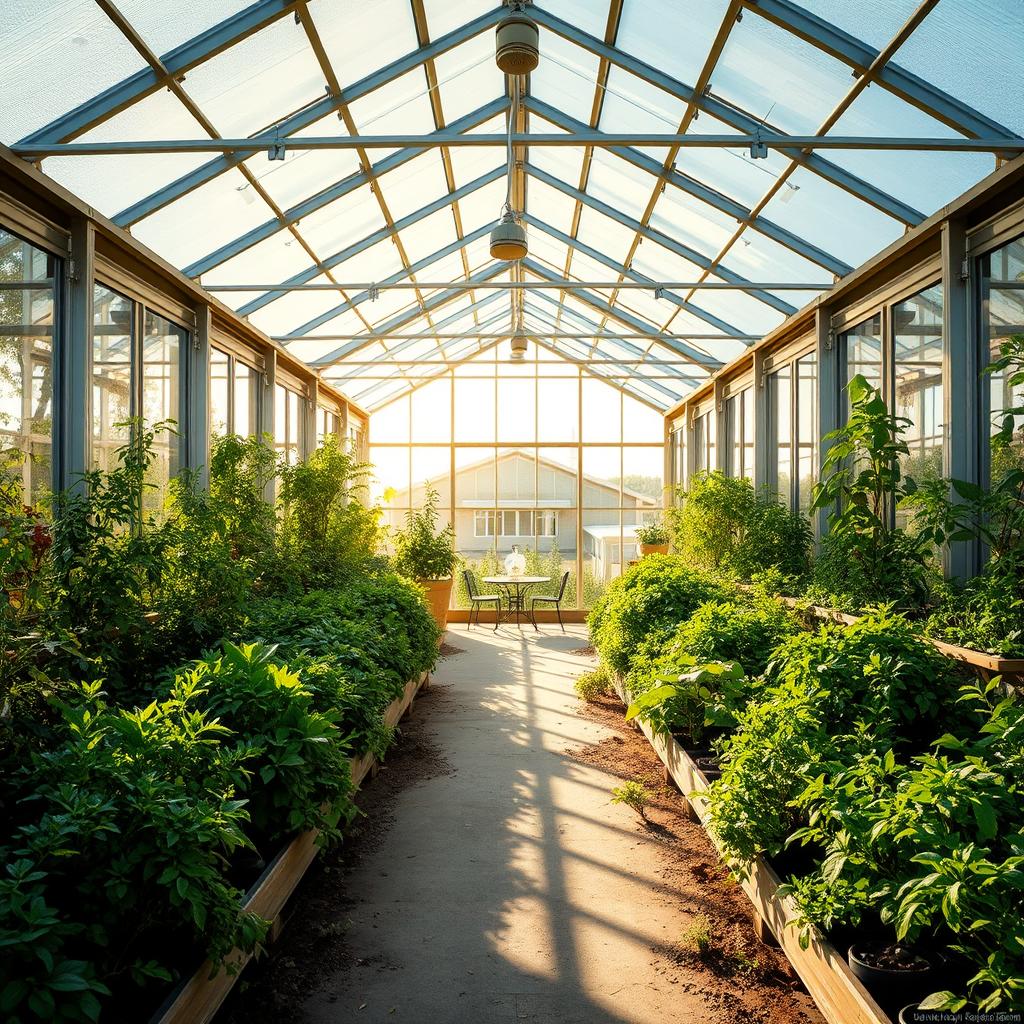 Being prepared and resourceful helped me beat the common greenhouse building challenges. I built a thriving and sustainable greenhouse building that fits my needs and budget. With the right mindset and skills, anyone can learn how to build a greenhouse and enjoy growing their own plants and flowers.
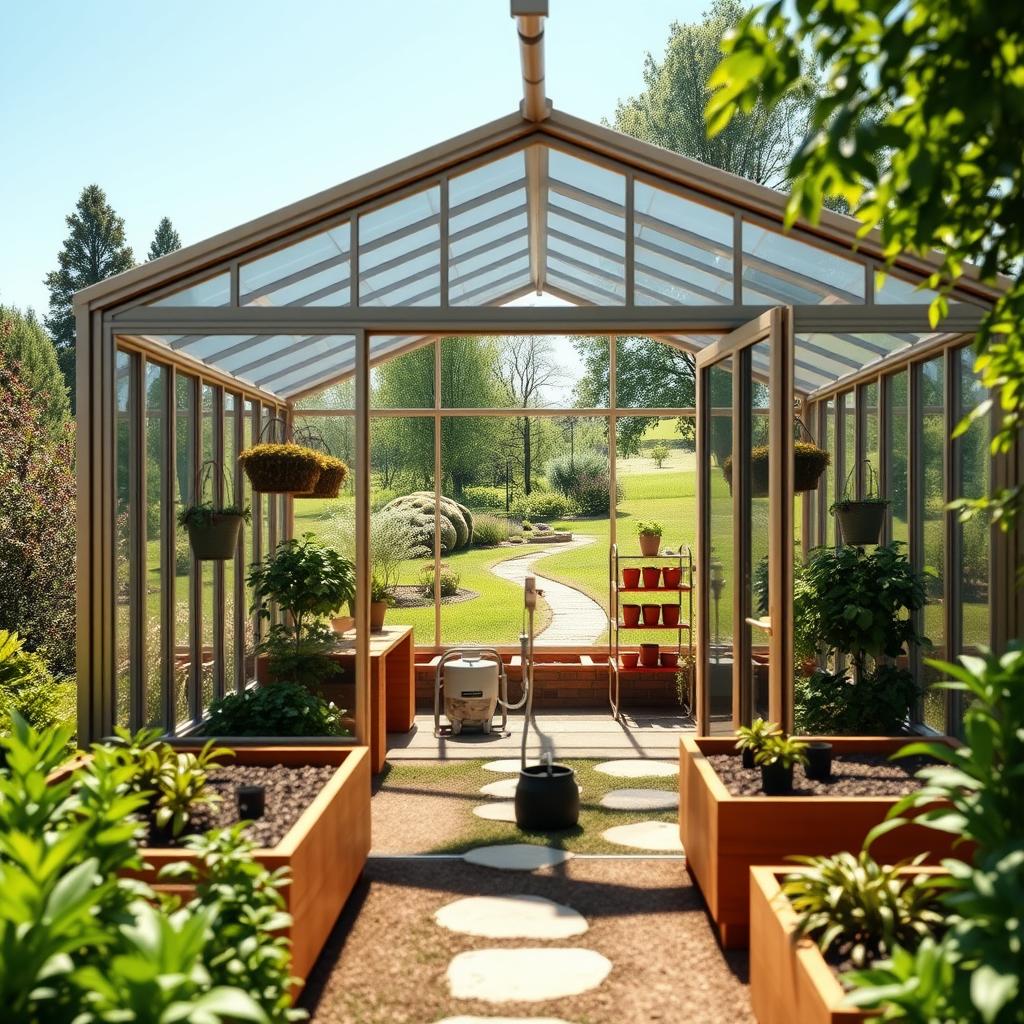
My Journey to Building an Affordable Greenhouse
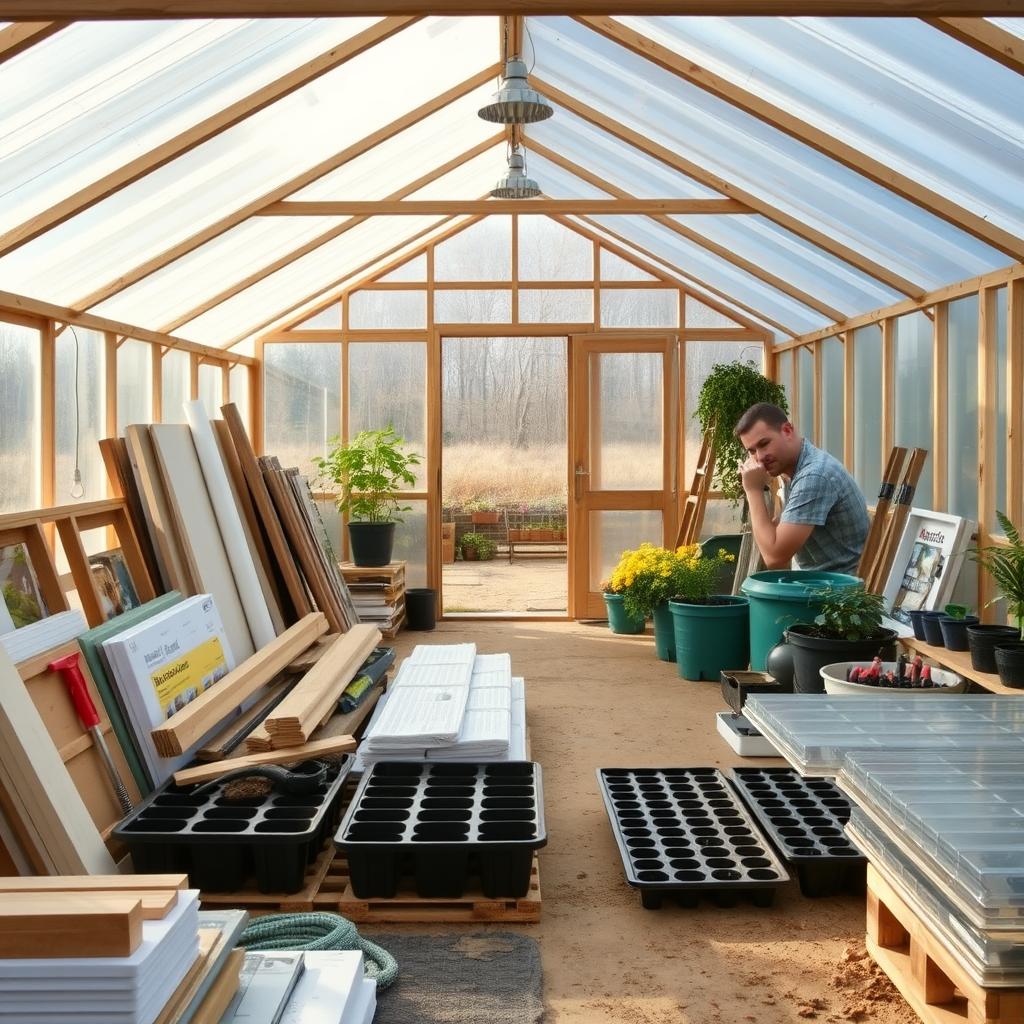
I remember the day I decided to build my own diy greenhouse. After years of research and planning, I found the perfect greenhouse plans for under $500. I used online tutorials and DIY guides to build my 12' x 16' greenhouse. I used treated lumber and clear polycarbonate roofing sheets. I split my $500 budget into buying materials. I got 70 pieces of 2 x 4 x 8 lumber and 18 sheets of 4 x 8 clear polycarbonate roofing. I also bought a set of French doors and concrete blocks for a strong foundation. During the three-week build, I faced some challenges. Like getting a nail in my thumb. But, with the right mindset and planning, I overcame these issues. Building my diy greenhouse was rewarding and taught me patience and perseverance.Essential Materials for Your Budget-Friendly Greenhouse
Building a greenhouse starts with picking the right greenhouse materials. I learned this on my step-by-step greenhouse building adventure. The right materials affect how long it lasts, how well it works, and how much it costs. You'll need frames, roofing, siding, doors, and shelving to start. DIY guides suggest using recycled materials to save money and cut down on waste. Popular choices include polyethylene film, polycarbonate, and glass. Here are some key materials to consider:- Framing materials (e.g., wood, metal, or PVC)
- Roofing materials (e.g., polyethylene film, polycarbonate, or glass)
- Siding materials (e.g., polyethylene film, polycarbonate, or wood)
- Doors and windows
- Shelving and irrigation systems
How to Build a Greenhouse: The Foundation and Framework
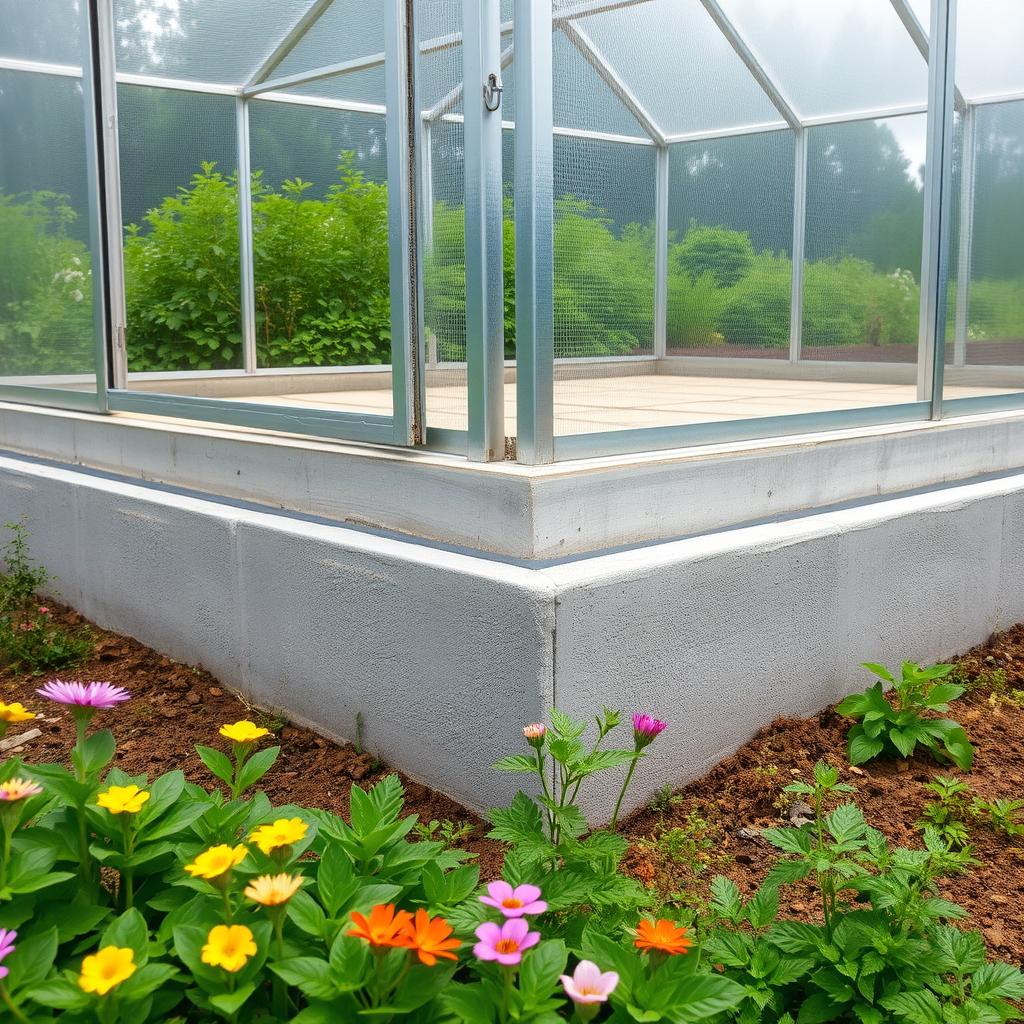
Building a greenhouse starts with a solid foundation and framework. These parts need careful planning and execution. A good foundation and framework ensure your greenhouse lasts long and withstands weather. It's key to use sustainable greenhouse building and greenhouse design ideas for durability and efficiency. Before laying the foundation, pick the right spot for your greenhouse. It should get at least 6 hours of direct sunlight a day. Also, it should be level and well-drained to avoid water problems.
- Use sustainable materials like reclaimed wood or low-carbon concrete to lessen environmental impact.
- Design the foundation to handle local weather, including wind, rain, and extreme temperatures.
- Make a solid foundation that can hold the greenhouse's weight and its contents.
Selecting and Installing the Perfect Covering Material
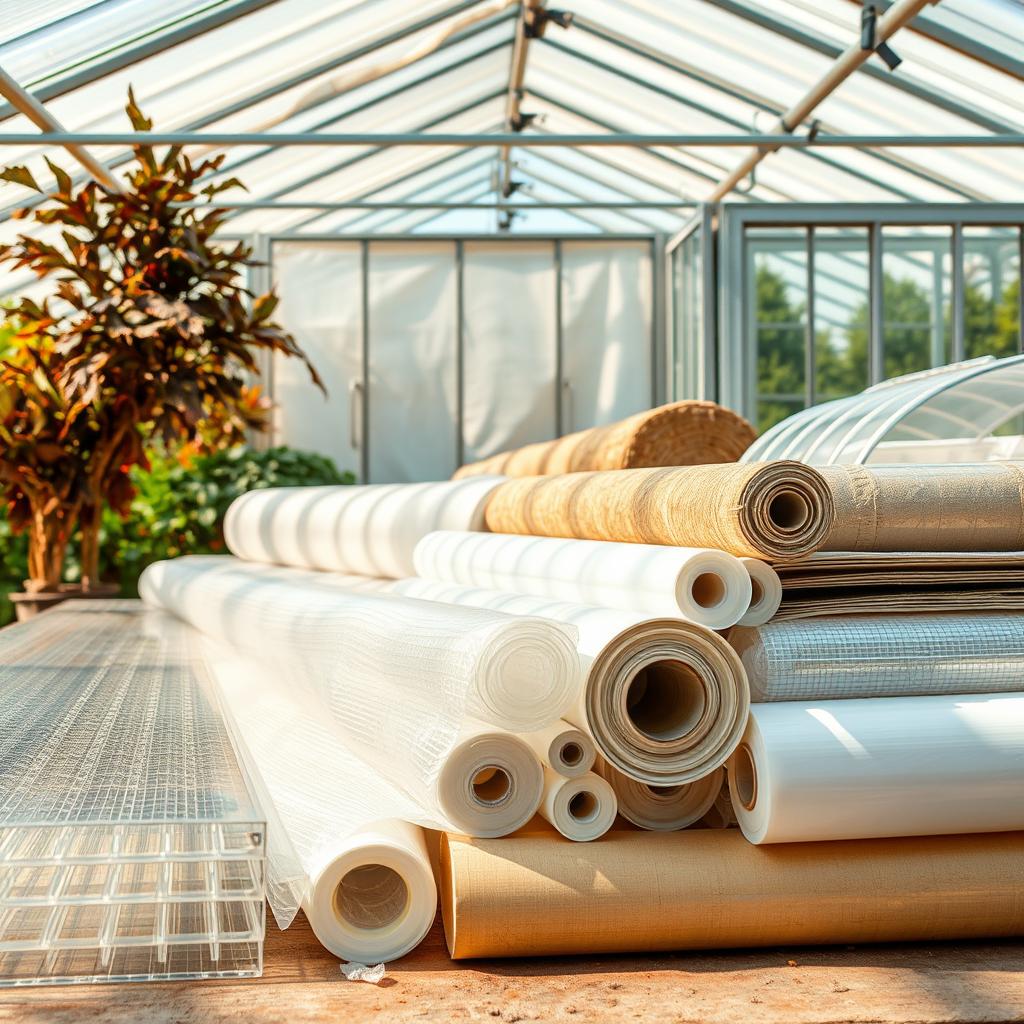
Building a diy greenhouse means picking the right covering material is key. You have choices like glass, polycarbonate, and polyethylene. Each has its own benefits and drawbacks. Greenhouse kits might include these, but think about durability, light, and cost. Insulation is another important factor. Look at R and U values to see how well your diy greenhouse will keep energy in. The material you pick also affects how much light gets in. This is vital for your plants to grow well.
- Polyethylene: a cost-effective and durable option
- Polycarbonate: a viable alternative to glass, with high light transmission
- Polyvinyl carbonate: more expensive, but great for windy or snowy areas
Ventilation and Temperature Control Systems
When building a greenhouse, ventilation and temperature control are key. The system needed depends on the greenhouse size and the plants inside. Some plants need warm days and cooler nights, while others prefer it warmer or cooler. The choice of greenhouse materials also matters. For example, materials like expanded polyurethane keep the temperature steady. Natural systems, like vents, can save energy and cut costs. Good ventilation stops the greenhouse from getting too hot. This is vital to avoid damage to crops and keep profits up. There are mechanical and natural systems for this. Mechanical systems use fans, while natural systems use vents.
Ventilation does more than just control temperature. It also improves air flow, manages humidity, and replaces carbon dioxide and oxygen. A good ventilation system helps plants breathe better. By picking the right system and greenhouse materials, you can make a perfect space for your plants.
Adding Essential Interior Features
As I worked on my greenhouse, I learned how important interior features are. I wanted to make a space that helps plants grow all year. I focused on design ideas to support big plants like fruit trees and tomatoes. I set up a drip irrigation system, which saves water better than overhead systems. I also put in wide shelves to keep humidity up and make watering easier. A ventilation system was key to keep air moving and prevent diseases. Some important features to think about in a greenhouse include:- Building growing benches to support plant growth and organization
- Installing irrigation systems, such as drip irrigation, to conserve water and reduce waste
- Implementing storage solutions, like shelving and cabinets, to keep supplies and equipment organized
By adding these features, I made a greenhouse that works well. It controls humidity, moves air, and drains water properly. Now, it supports a variety of plants well.
Common Challenges and How I Overcame Them
Building a greenhouse is rewarding but comes with challenges. Starting my sustainable greenhouse building journey, I faced many obstacles. Weather issues like extreme temperatures and heavy rain were big problems. To tackle these, I prepared and stayed flexible. I chose a strong covering and a good ventilation system. This helped control the greenhouse's temperature and humidity. I also learned to build a greenhouse that could handle bad weather. I reinforced the frame and anchored it to the ground. Managing my budget was another challenge. Greenhouse building can be pricey, but there are ways to save. Here are some tips I found useful:- Use recycled or repurposed materials for the frame and other components
- Shop for materials during sales or discounts
- Consider DIY options for features like shelving and irrigation systems
Being prepared and resourceful helped me beat the common greenhouse building challenges. I built a thriving and sustainable greenhouse building that fits my needs and budget. With the right mindset and skills, anyone can learn how to build a greenhouse and enjoy growing their own plants and flowers.
Customization Options to Enhance Your Greenhouse
Customization is key in greenhouse plans. You can pick from various greenhouse kits to fit your budget and style. For example, the PALRAM 8 x 12 Balance Hobby Greenhouse Kit is a top choice for its quality and customization. A good greenhouse can be more than just a place to grow plants. It can also be a storage shed, a working station, or a spot for starting seeds. Adding features like automated watering, trellis systems, and special heating can make it perfect for your needs. Using the top space for hanging baskets also boosts productivity. Some great ways to customize your greenhouse include:- Automated irrigation systems
- Trellis systems
- Specialized heating setups
- Hanging baskets
Enjoying the Rewards of Your DIY Greenhouse Investment
Building your own greenhouse is a rewarding experience. After all the hard work and planning, seeing your homegrown vegetables thrive is deeply satisfying. You'll save money on produce and enjoy fresh, nutritious foods right at home. Maintaining and optimizing your DIY greenhouse is key. Regularly check temperature, ventilation, and irrigation systems. This ensures your plants get the best growing conditions. Adding features like shelving or automated controls makes gardening easier. Whether you're an experienced gardener or a beginner, a DIY greenhouse is a smart investment. With a little effort and creativity, you can create a thriving oasis. It provides your family with homegrown goodness and a renewed connection to the land.FAQ
What are the benefits of building a greenhouse for under 0?
A greenhouse for under 0 is a smart way to grow more plants longer. It's also a fun DIY project. You can make it fit your needs and style.
What are the essential materials required for a budget-friendly greenhouse?
For a 0 greenhouse, you'll need a frame, roofing, siding, doors, and shelves. Picking affordable materials and using recycled items can save money.
How do I choose the best location and create a solid foundation for my greenhouse?
Pick a spot that gets enough sunlight and is protected from strong winds. A strong foundation, like a concrete slab, is key for a lasting greenhouse.
What are the different greenhouse covering options and how do I choose the right one?
You can choose from glass, polycarbonate, or polyethylene for your greenhouse. Each has its own benefits and drawbacks. Think about your climate, budget, and what you like best.
How do I ensure proper ventilation and temperature control in my greenhouse?
Good air flow and temperature control are vital for your plants. Use fans or vents for air and heaters or coolers for temperature. This depends on your area and needs.
What are some common challenges I might face when building a greenhouse, and how can I overcome them?
Budget, weather, and time can be hurdles. Plan well, stay flexible, and be ready for surprises. This will help you succeed.
How can I customize my greenhouse to meet my specific needs?
You can pick materials, designs, and add special features. Make it your own to fit your gardening dreams and style.